



There are two different types of pain: acute and chronic.
No matter what type of pain, it can range from mild to severe and all pain usually reduces your quality of life and prevents you from living the life you deserve.
The main difference between acute and chronic pain is the duration. Moreover, acute pain typically has a specific, treatable cause. Chronic pain is not so easily diagnosed because it can be rooted in underlying, “invisible” causes.
Acute Pain
Acute pain is a sudden, sharp pain that lasts less than 3 months. Acute pain acts as a warning to your body that it is unsafe to use the area, and its health has been compromised. A common belief is that acute pain is mild and temporary. But in fact, acute pain is very complex.
This type of pain is caused by something specific – a broken bone, burns or cuts, or even childbirth. The pain goes away once the affected area has been treated. Some acute pain is temporary and short-lived. Other times, it can have a longer-lasting effect and cause severe pain.
Therapy for acute pain treats the underlying cause. However, it can be tricky to diagnose because the symptoms can start and stop without warning. The pain can be on and off lasting from hours to days.
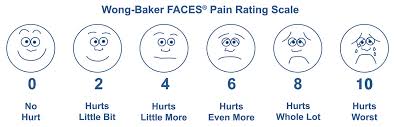
Doctors use the Numeric Pain Scale (below) to rate their pain on a scale from 1 to 10. This helps the doctor learn about the pain levels and allows them to better assess the situation.
Chronic Pain
Chronic pain lasts longer than 3 months. This pain is considered a disease state and affects 1 out of 5 North American adults. Chronic pain is hard to diagnose and can be misdiagnosed.
Chronic pain is caused by an underlying issue, something surgery may not be able to help. Pain patients may undergo a variety of treatments to find one, or a combination of many, that helps reduce their pain.
Many types of chronic pain are arthritis, back pain, neck pain, nerve pain, headaches, and fibromyalgia. Pain is different for everyone. Because of this, treatment options vary and can include everything from a topical cream to surgery.
Creams, anti-inflammatories, and pain killers help reduce pain on a daily basis but are not meant for long-term use. Physical therapy is proven to help patient’s reduce pain, increase quality of living, while minimizing medication dosages. Other treatments include acupuncture and TENS stimulation, which are external pads that provide stimulation around the area of pain.
Patients who suffer from chronic pain are candidates for injection therapy. The injections available are local anesthetics, steroid, prolotherapy, hyaluronic acid, Platelet Rich Plasma (PRP) and others that are injected in the affected area to help reduce the pain.
Chronic pain reduces a person’s ability to live their lives the same quality and extent that they enjoy. Knowing your options and treatment availability is important to maintaining the lifestyle you deserve and to keep you doing the things you love.
