As Featured In

















































Real Results from Real Clients
Hear from patients at our knee clinic in Oakville about their experience with non-surgical knee pain care. Individual results may vary.


Award-Winning Knee Clinic in Oakville
Awarded the Global Recognition Award, Innovation Award for our non-surgical protocols for knee pain, and the Impact Award on our community.







Knee Pain – Our Process
No surgery. No long-term meds. Just science-backed care at our knee clinic in Oakville, led by an award-winning knee pain specialist.

Step 1:
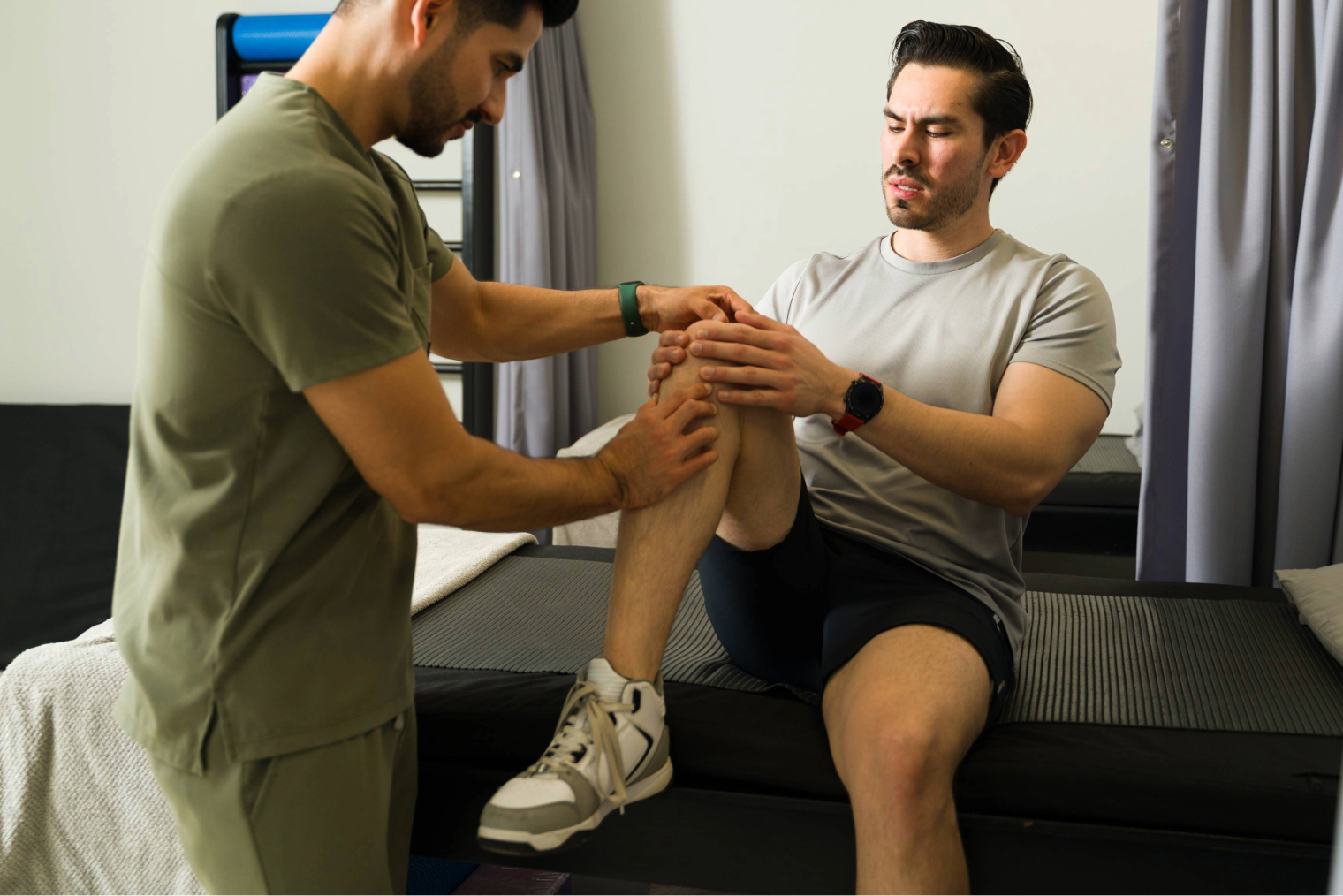
Assessment Phase (Identify the Source of Knee Pain)
We start by uncovering the true cause of your joint pain or limitation.
We use:
- A detailed physical exam focusing on joint function and biomechanics.
- Advanced ultrasound imaging to identify affected tendons, ligaments, & nerve entrapments.
You benefit from:
- An accurate diagnosis.
- Identification of tears, adhesions, and nerve compressions.
- A personalized treatment plan designed to help you get back to the activities you enjoy.
Step 2:
Preparation Phase
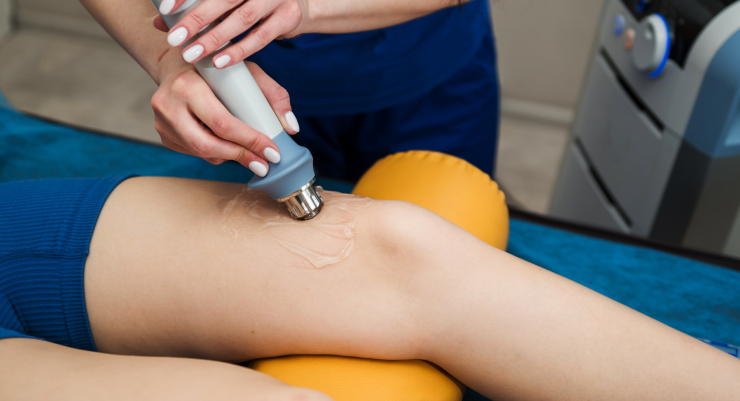
We prepare the joint and tendon to help them respond to regenerative treatment.
We do:
- Break down scar tissue and boost circulation of the affected area.
- Release entrapped nerves
- Strengthen and stabilize ligaments and joint capsules.
You benefit from:
- Improve blood supply to the area.
- Release of compressed nerves, which may help reduce pain and improve muscle activation.
- A primed the tendon area for regenerative therapy.
Step 3:
Treatment Phase (Regenerative Therapies)
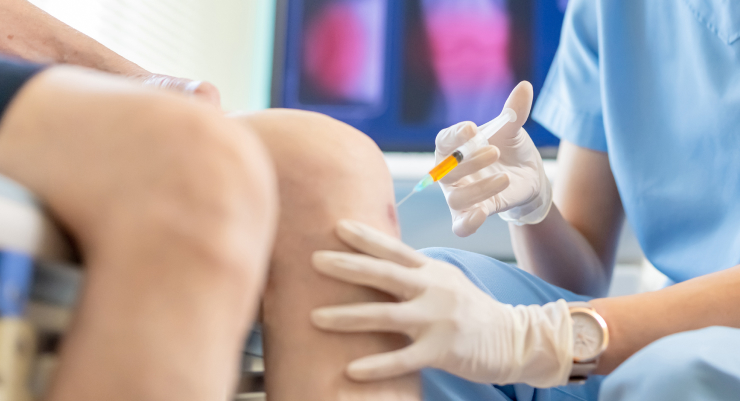
We then deliver regenerative treatment into the prepared tendon and ligament system to help reduce knee pain and support tissue health.
We use:
- High-dose PRP (Platelet-Rich Plasma) with 15 to 18 billion platelets per treatment.
- Image-guided precision injections to the exact site of injury.
You benefit from:
- Support for tissue health and the body’s natural response to injury.
- Treatment designed to help strengthen tendons and ligaments.
- Potential for longer-term relief with less reliance on pain medication, in appropriate cases.

Step 4:
Maintenance Phase
This phase helps maintain your progress and supports long-term joint health.
We use:
- A custom home exercise program, delivered via our app for your convenience and accountability.
- We prescribe high-quality supplements to support this phase.
You benefit from:
- Support for a smoother return to activity.
- Help getting back to the sports and hobbies you enjoy.
- Support for long-term joint health.

Book Your Sports Medicine Consultation
• Comprehensive joint assessment and real-time diagnostic imaging
• Leave with a clear diagnosis and tailored treatment roadmap
*Our treatments are not covered by OHIP or standard insurance plans.
Who This Is For
High Performance Is Your Standard… But Your Knee Is Holding You Back.
You train hard. You move with intention. You live at full speed.
But now every step, every squat, every hill comes with hesitation.
That sharp pain when you climb stairs or get out of the car.
The tightness that builds during workouts or long days on your feet.
The swelling or instability that holds you back from pushing further.
This isn’t just wear and tear. It’s a performance problem that needs a smarter solution.
We Help People Who:
- Are dealing with knee pain that’s limiting workouts, walking, or active living.
- Were told to take anti-inflammatories, try cortisone, or “wait for it to get worse.”
- Tried physio, taping, or rest, but still feel restricted.
- Refuse to rely on braces, painkillers, or consider surgery as the only option.
- Expect their knees to match their ambition—on the field, in the gym, or in daily life.
Whether it’s Patellar Tendonitis, Meniscus Strain, Ligament Sprains, or Early Knee Osteoarthritis, your momentum is compromised.
You can’t squat deep.
You can’t run, lunge, hike, or play without pain.
Pickleball, golf, tennis, even simple walks or travel start to feel like a chore.
We don’t just mask knee symptoms; we address the underlying factors.
Our personalized treatment is designed to strengthen, stabilize, and support the knee so you can move with more confidence.
If you’re ready to work on your strength, agility, and performance, this is for you.
What Causes Knee Pain?
As we age, the soft tissues that stabilize and protect the knee, like ligaments, tendons, and cartilage, begin to lose their elasticity and structural integrity. Years of walking, squatting, training, or even sitting in poor alignment can silently wear these tissues down and lead to outer or inner knee pain.
What starts as mild discomfort after exercise can quickly turn into stiffness, clicking, swelling, or knee pain when bending with basic movement. Most clients we see in Oakville and the GTA didn’t have a major injury— just years of unnoticed overload, poor tracking, or undiagnosed sprains that were never fully addressed, often resulting in pain on inside of knee or pain behind the knee.
At Peak Health VIP, we don’t wait until knee surgery is your only option. Using diagnostic ultrasound, regenerative therapy, and functional rebalancing, our knee pain doctor in Oakville provides non-surgical knee pain treatment designed to help improve strength and stability, without cortisone, anti-inflammatories, or invasive procedures.
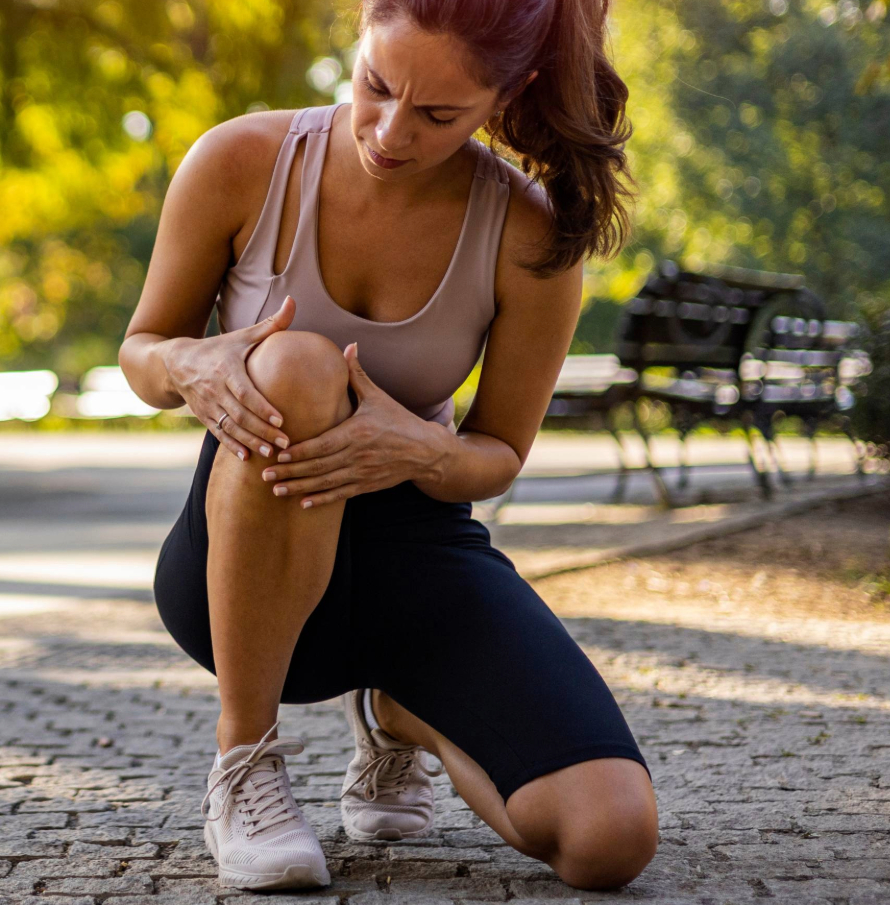
Conditions We Treat at Our Knee Clinic in Oakville
Personalized, physician-guided regenerative treatment for knee pain, designed to help reduce pain and improve performance. Results may vary.
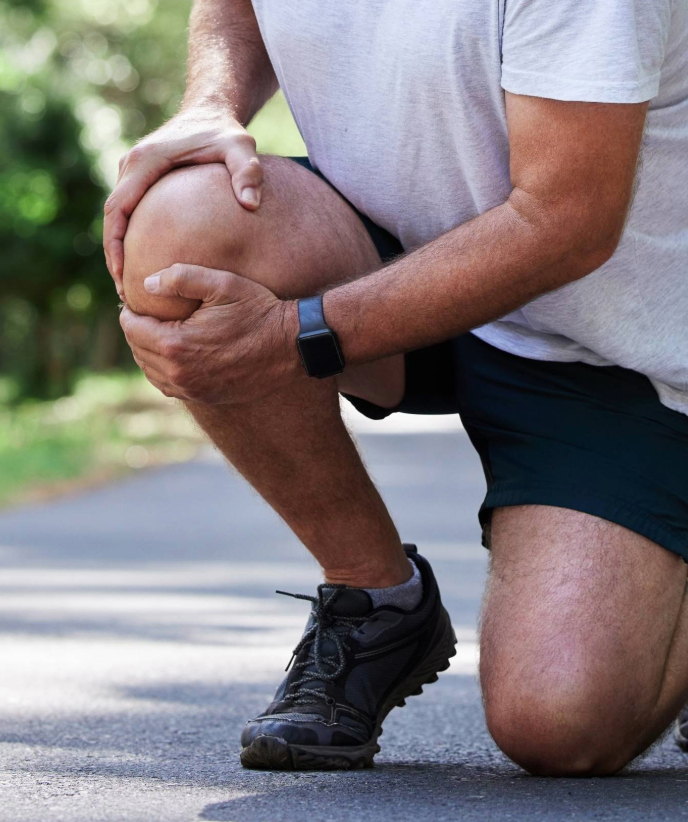
IT Band Syndrome
Outer knee pain often results from friction between the iliotibial band and femur, typically triggered by repetitive running, squatting, or cycling, especially in those with poor hip or glute stability. Though often blamed on tightness, the underlying cause is frequently weak hips or glutes. We focus on addressing the underlying mechanics to help reduce knee pain and improve movement over the longer term.
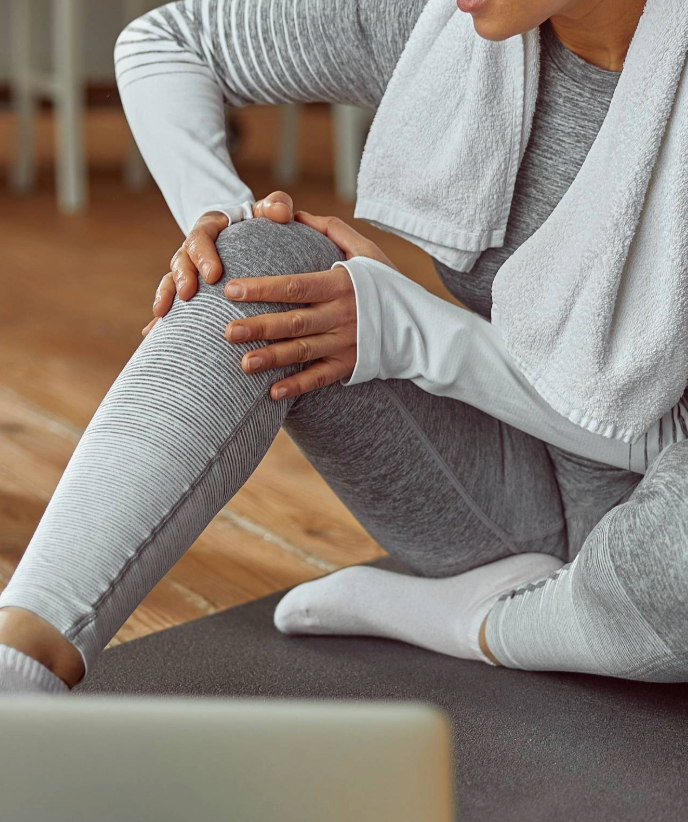
Patellar Tendinitis (Jumper’s Knee)
Anterior knee pain and stiffness from overuse of the patellar tendon often affects active adults over 35. Triggered by jumping, lunging, or stair climbing, it causes pain below the kneecap due to tendon inflammation or degeneration. Left untreated, it can become chronic. We use regenerative knee pain treatment designed to support tendon health and address faulty mechanics.

Baker’s Cyst
Swelling and pain in back of knee can occur often due to fluid buildup from joint irritation, arthritis, or meniscus tears. It may feel like a bulge or tightness when bending or straightening the knee, and can limit movement. Instead of just draining the cyst, we address the underlying inflammation, which may help reduce the chance of it returning and support longer-term knee pain relief.

Meniscus Tears
Inner or outer knee pain with locking or catching often stems from cartilage tears caused by twisting, pivoting, or squatting. Common in adults over 35, these are often degenerative, not traumatic. Symptoms include sharp pain and reduced motion. We use regenerative knee pain treatment and biomechanical correction to help improve function, which may help delay or reduce the need for knee surgery in appropriate cases.
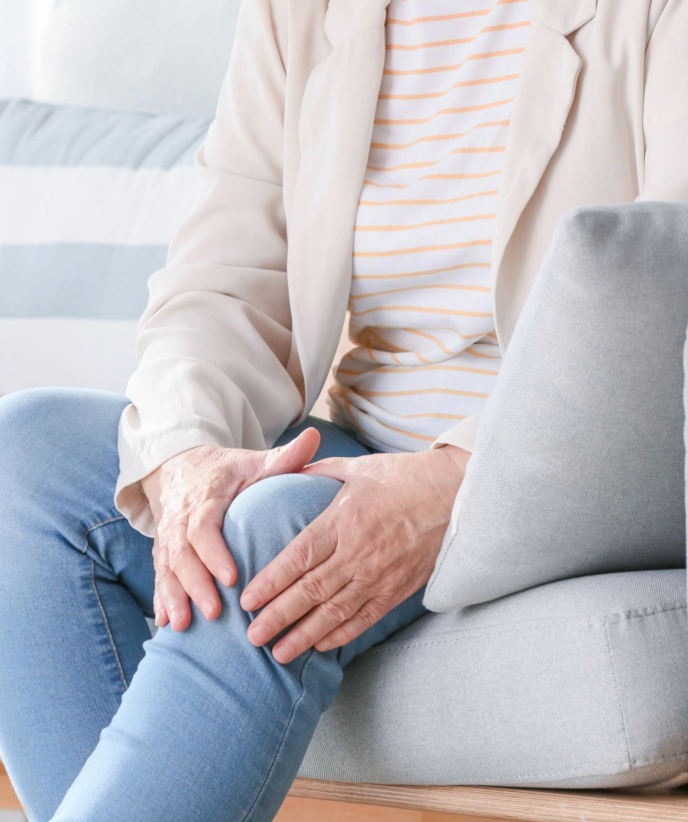
Knee Osteoarthritis
General knee pain and stiffness result from cartilage wear caused by old injuries or poor movement patterns leading to early degeneration. This cartilage breakdown causes pain, stiffness, and limited mobility. Early treatment with regenerative medicine may help reduce symptoms, manage inflammation, and support joint function, and may help delay or reduce the need for knee surgery in appropriate cases.
Advanced Modalities We Use To Treat Knee Pain Injuries
From knee pain that is limiting you from participating in sports to doing your hobbies, or everyday activities, and office work. Our regenerative treatments are designed to help you get back to what you enjoy doing.

Shockwave Therapy
Shockwave therapy may help reduce chronic tendon pain. At Peak Health VIP, it is used first to break down scar tissue and prime the area for regenerative treatment.

Hyaluronic Acid Injection
Peak Health VIP combines HA with pre-treatment shockwave or prolotherapy, designed to support joint lubrication and help extend relief in appropriate patients.

Nerve Entrapment Release (PIT)
Peak Health VIP releases compressed nerves, which may help reduce nerve pain, tingling, or weakness after injury.

Prolotherapy
Designed to help strengthen loose or damaged ligaments, especially after sprains. Peak Health VIP combines it with shockwave to support joint stability.

Platelet-Rich Plasma
Our PRP protocol delivers 15 to 18 billion platelets per treatment, with 4x the volume and 12 to 15x the concentration of a traditional PRP kit. Used for joint pain, tendon tears, cartilage and meniscus injuries.

Ultrasound
Peak Health VIP uses dynamic ultrasound imaging to stress-test ligaments and tendons during movement, rather than relying on static scans alone.

Supplementation
Targeted supplements, personalized to your lab results and injury type, are designed to support inflammation control and tissue health during treatment.

Meet Dr. Mark Hawass
As the founder of Peak Health VIP, Dr. Mark Hawass specializes in pain management with over 30 years of experience in non-surgical treatments for chronic pain in knee and arthritis. His commitment to excellence and patient care has made him a trusted leader in regenerative medicine.

Ready To Take the Next Step for Your Knee Pain?
Let’s Start With an Assessment.
• Comprehensive joint assessment and real-time diagnostic imaging
• Leave with a clear diagnosis and tailored treatment roadmap
Top FAQs – Knee Pain
What causes knee pain in people over 35?
The most common causes include tendonitis, ligament strain, or postural imbalance. Previous injuries even from your 20s can resurface as inflammation and degeneration in your 40s and 50s.
Is knee pain always coming from the joint itself?
Not always. Pain may also originate from surrounding structures (like tendons or bursae) or even be referred from the hip, lower back, or foot mechanics. A precise physical exam is crucial to localize the true cause.
Why is my knee stiff in the morning or after sitting?
This is often an early sign of joint inflammation, typically due to cartilage inflammation or poor circulation. It tends to worsen with age but may respond well to movement, circulation work, and regenerative treatment when addressed early.
Should I be worried if my knee clicks or pops?
Not necessarily. Clicking is common, especially if the kneecap isn’t tracking properly. However, if it’s painful, swollen, or causes instability, it may indicate meniscus injury or arthritis that needs further assessment.
What are early signs of knee arthritis?
Pain with stairs, stiffness in the morning, swelling after activity, and trouble squatting are common. Arthritis can begin well before changes appear on X-ray especially in active or athletic individuals over 35.
I’ve tried physio and cortisone. Why does the pain keep coming back?
Those approaches can help with symptoms, but if underlying factors like instability or inflammation aren’t addressed, symptoms may return. We focus on addressing the underlying breakdown, not just the flare-up.
Can a past sports injury cause knee problems now?
Yes. Old injuries can leave behind scar tissue, cartilage damage, or altered movement patterns. These silent imbalances accelerate wear-and-tear later in life—especially if untreated or masked with medications.
Is my weight contributing to my knee pain?
Possibly. Overweight increases joint pressure and systemic inflammation. But it’s not just about the number on the scale, hormonal and gut health also influence fat distribution, water retention, and pain sensitivity.
What treatments address the underlying cause instead of masking pain?
Treatments like prolotherapy and PRP are designed to support tissue health, not just numb pain. At Peak Health VIP, our PRP treatment for knee injuries combines regenerative injections with systemic optimization, designed to support longer-term results. Results may vary.
Will I eventually need surgery?
Not necessarily. In appropriate cases, early intervention with regenerative therapy and functional correction may help delay or reduce the need for surgery. The key is not to wait until the damage is “bone-on-bone.” Early intervention may help support the joint over time.
Is exercise safe with knee pain?
Yes, with guidance. Low-impact activity (like walking, swimming, or cycling) improves circulation and reduces stiffness. The wrong type of exercise can aggravate pain, so personalized movement planning is essential.
How long until I feel better once I start treatment?
It depends on the severity and your overall health. When we address underlying factors (inflammation, hormones, gut) and support the joint, some people notice changes within several weeks, with results building over several months. Results may vary.
What makes your clinic’s approach different?
We don’t just treat the joint, we treat the person. Our method addresses inflammation, movement quality, and tissue health as one integrated system, with personalized treatment based on your assessment.