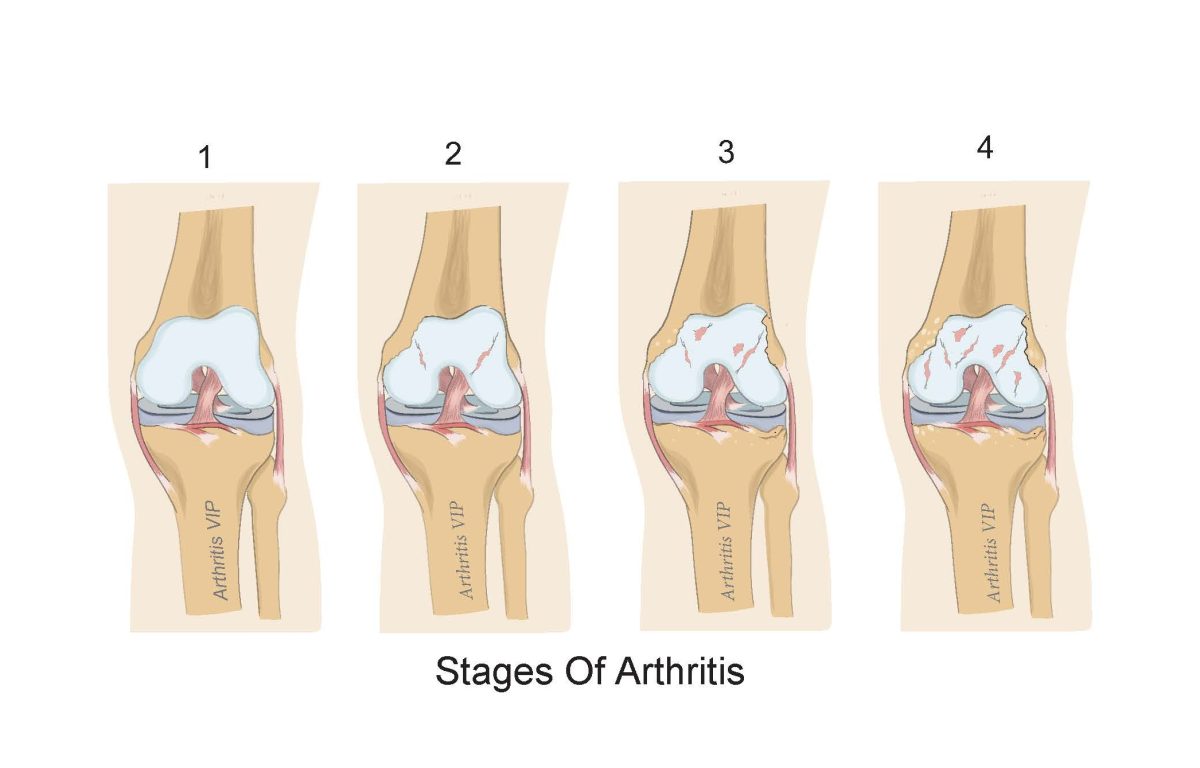

The Arthritis stages we are going to discuss is mainly focused on “Osteoarthritis”, which is commonly referred to as “Arthritis”.
Osteoarthritis Stages & Treatments
Osteoarthritis (OA) is broken down into 4 stages, because it can take many years to fully progress. This condition can be hard to treat because many times, symptoms do not consistently appear until it reaches an advanced stage.
People with osteoarthritis should pay attention for any changes in symptoms and alert their physicians. Each stage of osteoarthritis has its own treatment recommendations.
Stage 1: Minor
People with stage 1 OA have very minor bone spur growth. Bone spurs are growths that develop where bones meet inside a joint. Someone with stage 1 OA is unlikely to experience any pain or discomfort. There may be some slight damage to the cartilage, but the joint will appear normal on an X-ray.
Without any apparent symptoms of OA, there is no recommended treatment. However, if you are predisposed to OA, your physician may recommend supplements or exercises to reduce the risk of arthritis.
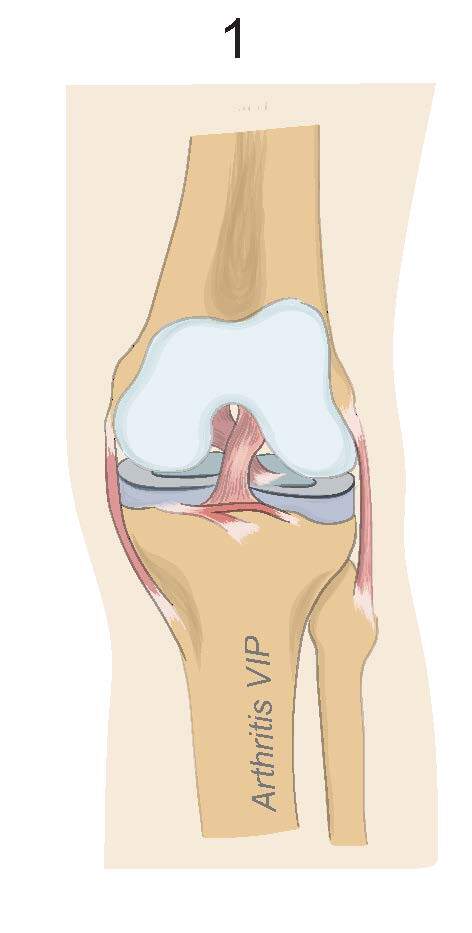
Stage 2: Mild
This is the stage when people with OA begin to experience symptoms. Doctors may also be aware of slight damage and bone growths on X-rays at this point. The space between the bones may look normal, however the tissue around the bone will begin to harden and decrease the space between bones, causing further cartilage damage.
Pain after running, a long day on your feet, or tenderness in the affected joint are very common during Stage 2.
If your doctor is able to diagnose OA in this early stage, a plan to prevent it from worsening is created. Strength training and low-impact aerobics can strengthen muscles around the joint, increasing stability and reducing the risk of additional joint damage. Braces and wraps can help stabilize joints and protect the joint from exertion while kneeling, squatting, or jumping.
PRP treatment is clinically proven to help reduce pain, restore function and delay the progression of the OA.
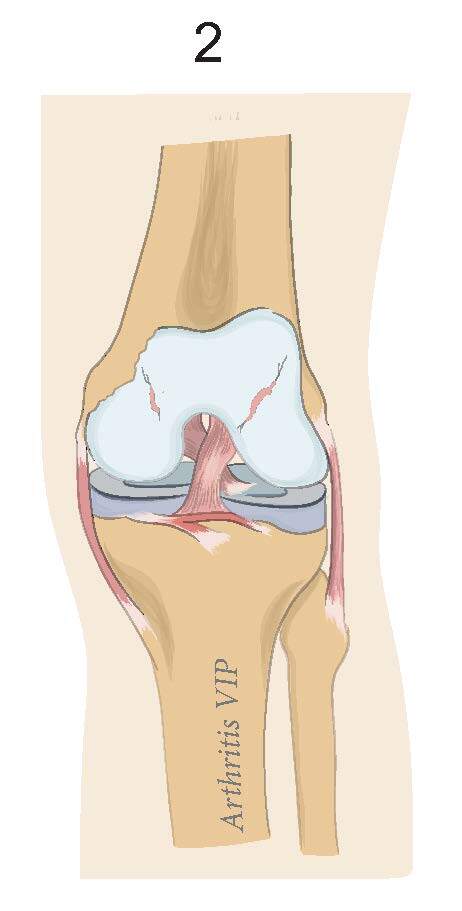
Stage 3: Moderate
In Stage 3, the cartilage between bones shows clear damage as the space between the bones narrows. People in this stage experience frequent pain when running, walking, bending, or kneeling. However, stiffness and pain may occur after long periods of inactivity or in the morning.
If non-pharmacologic options do not work to alleviate pain and swelling in the joints, your physician may recommend corticosteroids. Corticosteroids include cortisone, which is a hormone that may relieve OA pain when injected near the affected area. Despite that fact that cortisone my help reduce inflammation and pain, it also damages the joint cartilage. The more you take the more the damage to the cartilage you get.
Special PRP treatment protocol is a great option for this stage. Research has shown that it can delay the need for surgery by 6-7 year.
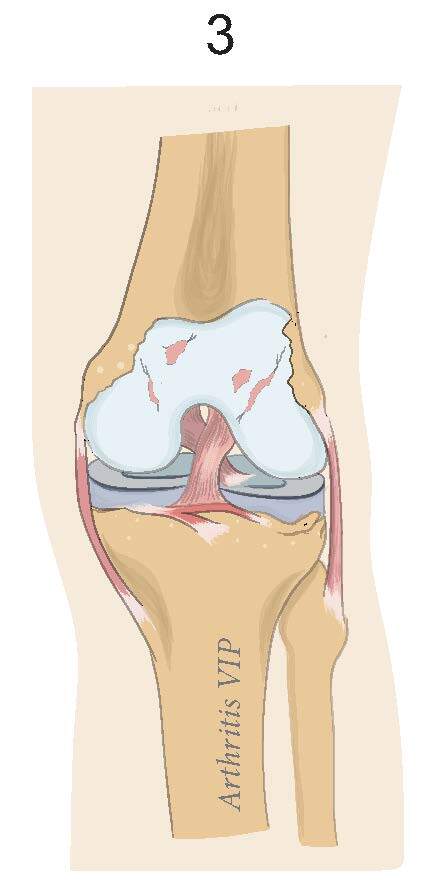
Stage 4: Severe
People with Stage 4 OA experience severe pain and discomfort when they move the joint. The symptoms are visible because the joint space is reduced causing the cartilage to break down significantly. This reduces the fluid around the joint and causes more friction on the bone.
Oftentimes, surgery is the most recommended course of action to relieve pain. Bone realignment surgery is common, with a full joint replacement as a last resort. Joint injections and nerve blocks may be other possible treatment options for Stage 4 OA.

If you have osteoarthritis be sure to have conversations and open lines of dialogue with your physician. Early detection can slow the progression of arthritis and even prevent serious damage and the need for early surgery.