

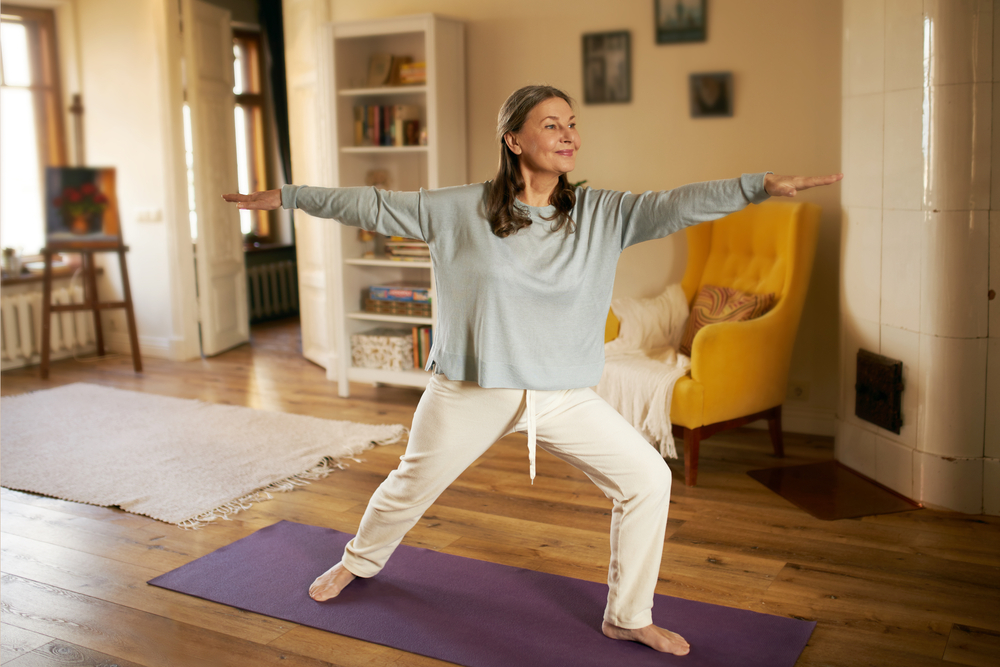

Yoga originated in India over 5,000 years ago as a way to boost physical and mental health. It comes in many different forms, poses, breathing techniques, and meditation. This type of exercise helps people with arthritis improve both physical symptoms like stiffness and psychological issues like stress.
Yoga for Arthritis
Studies have shown that yoga is a safe and effective way to increase physical activity. Yoga increases muscle flexibility and promotes balance.
The meditation associated with yoga increases energy, lowers anxiety and depression that is often caused by living with chronic pain. Yoga is an effective part of many treatment plans for arthritis.
Regular physical activity plays a large role in people who have decreased muscle strength. Arthritis can encourage a sedentary lifestyle because of increased pain, leading to inactivity. This can lead to worsened pain or disability.
Benefits
Variety of Exercise
Yoga provides an excellent option for exercise. It should not be the only thing you do for exercise, but is beneficial when combined with a healthy regimen.
Physical Function
People with arthritis have joint pain frequently have a limited range of motion. Yoga can enhance physical function and boost your range of motion.
Increase Flexibility
As well as increased range of motion, yoga increases flexibility and movement. Stretching can help reduce pain and joint pain.
Mind-Body Connection
Meditation associated with yoga increases introspective thought. This can help pinpoint the sources of pain and stress, which leads to a better treatment plan. This connection between your mind and body helps relieve pain.
Training
Gentile yoga helps with the ligaments, tendons and muscles that support the joint. It is very essential to get a yoga routine weekly to improve the ability to do cardio and resistance training effectively and safely. Aim for 20 min per session 2-3 times per week.
How to Start
Before starting any kind of yoga regimen, always talk to your doctor and take proper precautions. There may be limitations or restrictions your doctor wants you to be aware of.
The best introduction to yoga is to take a class with a qualified teacher. Group classes generally have a beginner or therapeutic offering which are geared toward more gentle movements and stretching.
Before a new class, introduce yourself to the teacher and discuss any health concerns. If you have specific limitations and would like guidance, one-on-one sessions with a yoga therapist may be helpful. A yoga therapist with extensive training will design a program specifically tailored to your needs.
