Non-Surgical Rotator Cuff Treatment in Oakville
Address rotator cuff pain with physician-led non-surgical rotator cuff tear treatment. Our ultrasound-guided rotator cuff treatment in Oakville is designed to help reduce pain and improve shoulder function.
As Featured In

















































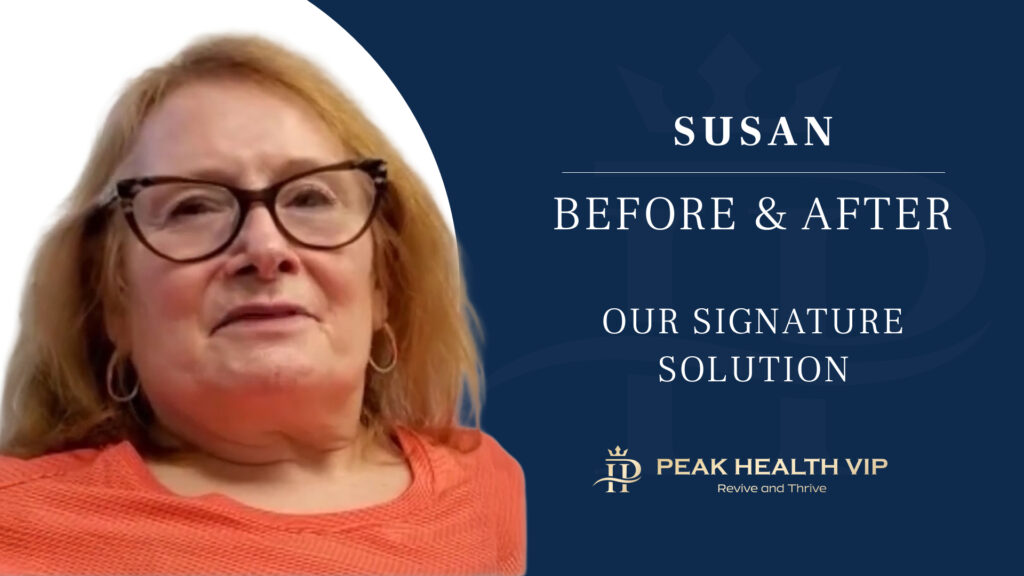
Real Results from Real Clients
Hear from patients who came to our Oakville clinic for rotator cuff injury treatment and how their shoulder has improved since.


Recognized Non-Surgical Shoulder Care in Oakville
Recipient of the Global Recognition Award, the UK Innovation Award and the UK Impact Award for his work in non-surgical, physician-led care.







Rotator Cuff Treatment Oakville: Our Process
No surgery. No long-term meds. Just physician-led, ultrasound-guided care at our Oakville clinic.
Whether you’re dealing with rotator cuff tendonitis, rotator cuff impingement or a tear, we’re here to help.

Step 1:
Assessment Phase
(Identify the Source of Rotator Cuff Pain)
We start by finding out what’s happening inside your rotator cuff.
We use:
- A detailed physical exam of shoulder strength, range of motion, and mechanics.
- Dynamic ultrasound to examine your rotator cuff tendons during movement.
You get:
- A clear picture of tendon quality, including any partial-thickness tear or full-thickness tear.
- Identification of impingement, adhesions and nerve compression.
- A personalized treatment plan for your shoulder.

Step 2:
Preparation Phase
We prepare the rotator cuff tendons for regenerative therapy.
We do:
- Use shockwave therapy to break down scar tissue and boost circulation.
- Release entrapped nerves around the shoulder.
- Strengthen and stabilize ligaments and the joint capsule with prolotherapy.
You get:
- Improved blood supply to the tendon.
- Less nerve-related pain and better muscle activation.
- A tendon primed for regenerative therapy.

Step 3:
Treatment Phase (Regenerative Therapies)
We deliver high-concentration platelet-rich plasma (PRP) into the prepared tendon.
Dr. Mark’s methodology:
- PRP injections for rotator cuff tear with 15 to 18 billion platelets per treatment.
- Ultrasound-guided injections to the exact site of the injury.
You benefit from:
- Support for damaged tendon tissue at the site of injury.
- Partial rotator cuff tear treatment without surgery or cortisone.
- Care that may help delay or reduce the need for surgery in appropriate cases.

Step 4:
Strengthening Phase
This phase helps your shoulder stay strong and resilient.
Dr. Mark’s methodology:
- A custom home exercise program, delivered through our app.
- Targeted supplements based on your lab results.
You benefit from:
- Improved shoulder strength and function.
- Support for getting back to the sports and hobbies you enjoy.
- Support for long-term shoulder joint health.
We treat more than the tear. We treat why it happened in the first place.

Book Your Rotator Cuff Assessment Consultation
• Comprehensive shoulder assessment and real-time ultrasound imaging of your rotator cuff
• Leave with a clear diagnosis and a tailored rotator cuff tear treatment roadmap
*Our treatments are not covered by OHIP or standard insurance plans.


Who This Is For
You’re Built to Perform. But Your Rotator Cuff Is Holding You Back.
You stay active. You show up for your training. You don’t slow down easily. But lately, your rotator cuff has started setting the limits.
- That sharp pain when you reach overhead or behind your back.
- The weakness when you lift your arm out to the side.
- The dull ache that wakes you when you roll onto that shoulder at night.
It starts as a nuisance. Then it starts changing how you move.
We Help Anyone Who:
- Is dealing with a rotator cuff injury that’s derailing workouts, golf swings or sleep.
- Has been offered rest, anti-inflammatories or cortisone as the only options.
- Already tried rehab, exercises or braces without longer-term results.
- Wants rotator cuff tear treatment without surgery before the damage progresses.
- Wants a shoulder that keeps up with their workouts, their work and their weekends.
Whether it’s rotator cuff tendonitis, a partial tear, or rotator cuff pain alongside shoulder impingement, bursitis or biceps tendonitis, you’re no longer moving like you used to.
Overhead presses feel risky.
Your serve, swing or throw has lost its power.
Swimming, tennis, golf and gym sessions all feel limited by one shoulder.
Our goal isn’t short-term relief.
We support, strengthen and rebuild function in the rotator cuff, so your shoulder can move more comfortably and with more confidence.
If you’re ready to get back to your range, power and performance, this is for you.
Why Does Rotator Cuff Pain Happen?
Your rotator cuff is a group of four muscles and tendons that keep the top of your arm bone centred in the shoulder socket. They work every time you lift, reach or rotate your arm. Over time, repetitive overhead movement, heavy lifting and age-related changes reduce the tendons’ blood supply and elasticity. That leaves them more prone to irritation and tearing.
It often starts as rotator cuff tendonitis or rotator cuff impingement, where the tendon is pinched and inflamed under the top of the shoulder. Left unaddressed, that strain can progress to a partial-thickness tear, and in some cases a full-thickness tear through the tendon. In many active adults over 35, these tears develop gradually, with no single injury to point to.
At Peak Health VIP in Oakville, we look for these changes early with ultrasound. We then use shockwave therapy, prolotherapy and platelet-rich plasma (PRP) to support the tendon and improve shoulder function. Early rotator cuff injury treatment may help delay or reduce the need for surgery in appropriate cases. It can also support shoulder joint health over time, before wear progresses toward shoulder osteoarthritis.
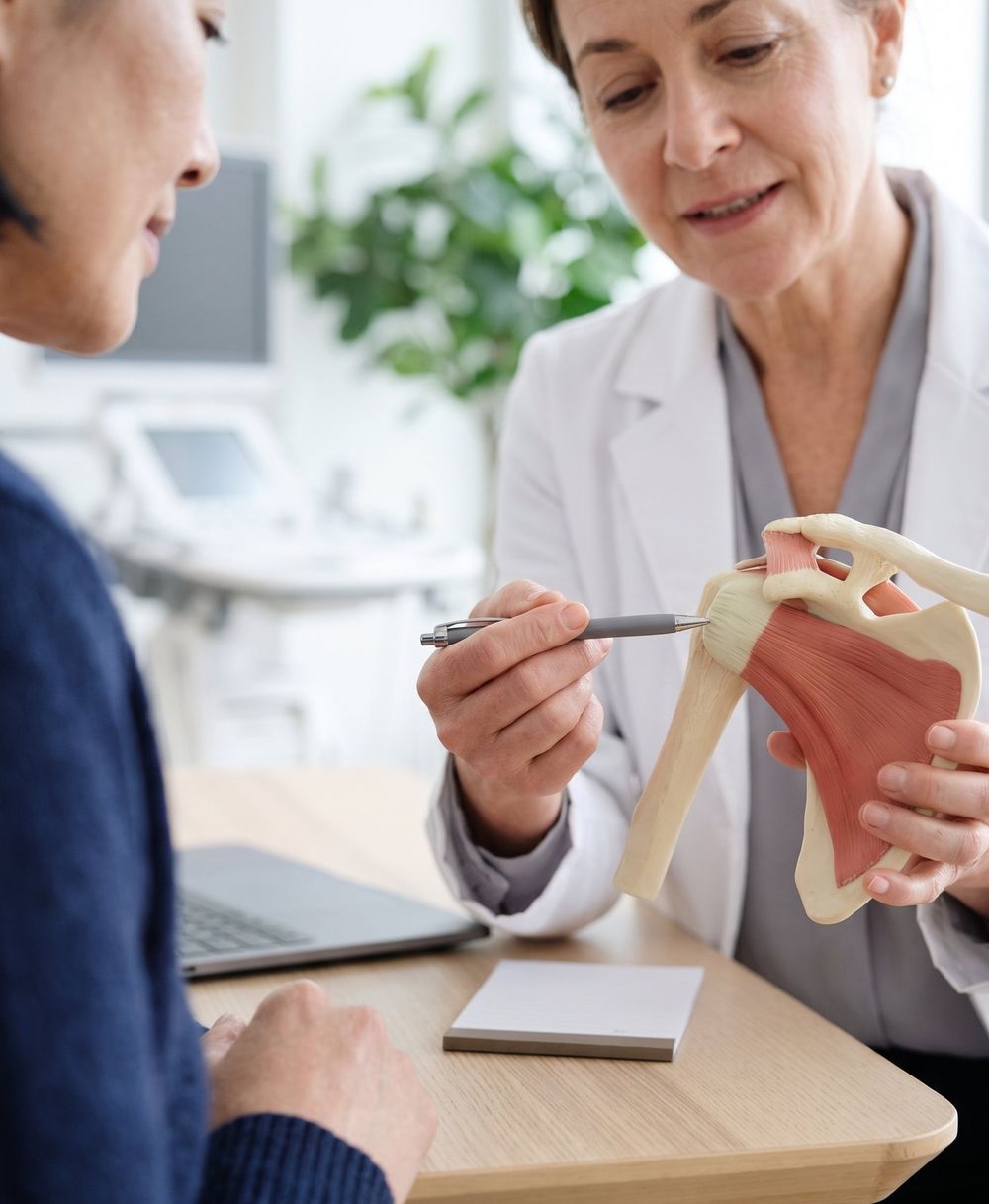
Rotator Cuff and Related Shoulder Conditions We Treat in Oakville
Rotator cuff problems rarely show up alone. At our Oakville clinic, rotator cuff injury treatment looks at the tendon alongside the shoulder conditions that often develop with it, through personalized, physician-guided care.

Rotator Cuff Tendonitis
Rotator cuff tendonitis causes aching at the top and outer shoulder, often triggered by repetitive overhead work, throwing or lifting. The tendons become irritated and lose resilience, so pain builds with activity and lingers afterward. It is common in active adults over 35 and is often the earliest stage of rotator cuff damage. We use shockwave therapy and targeted rehab to support the tendon and help reduce pain before it progresses to a tear.
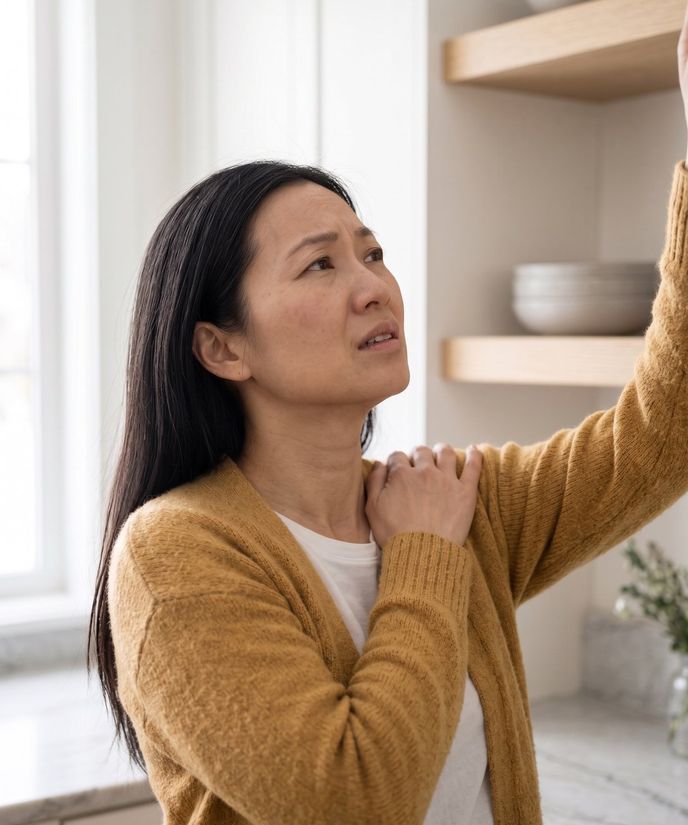
Partial-Thickness Rotator Cuff Tears
A partial-thickness tear frays part of the tendon without cutting all the way through. It often develops gradually from repeated strain, causing pain when reaching overhead, night pain and weakness when lifting. Many cases go unnoticed until ultrasound shows them. Our partial rotator cuff tear treatment combines shockwave, prolotherapy and high-concentration PRP to support the tendon and help improve shoulder strength and function.

Full-Thickness Rotator Cuff Tears
A full-thickness tear runs through the entire tendon, sometimes after a fall or heavy lift, sometimes after years of wear. Symptoms include marked weakness, difficulty lifting the arm and pain at night. Not every full-thickness tear is suited to non-surgical care, and we tell you honestly where you stand. Your ultrasound assessment helps determine whether regenerative treatment is appropriate or a surgical opinion is the better next step.

Rotator Cuff Impingement
This condition causes pain at the top and outer shoulder when the tendon is pinched beneath the bony arch above it. It is often triggered by repetitive overhead reaching, pressing or throwing, and by poor shoulder mechanics. Over time, the repeated pinching can wear the tendon down. We use dynamic ultrasound to see the impingement during movement, then address the tendon and surrounding structures to help improve movement.

Shoulder Bursitis
Shoulder bursitis causes pain at the top or outer edge of the shoulder when the subacromial bursa, the fluid-filled sac cushioning the rotator cuff, becomes inflamed. It often appears alongside rotator cuff tendonitis or impingement and worsens with overhead activity or lying on that side. We address both the bursa and the underlying tendon problem, using non-surgical treatments designed to help reduce inflammation and pain.

Biceps Tendonitis
Biceps tendonitis causes pain at the front of the shoulder, where the long head of the biceps tendon runs through a groove next to the rotator cuff. It often develops alongside rotator cuff problems, triggered by lifting, pulling or repetitive overhead activity. Pain may travel down the upper arm and worsen with gripping. Our ultrasound assessment checks the biceps tendon and rotator cuff together so both can be addressed.

Frozen Shoulder (Adhesive Capsulitis)
Frozen shoulder causes deep aching and stiffness as the joint capsule thickens and tightens, limiting movement in every direction. It can follow minor injury, surgery or a period of keeping the arm still, and is most common in adults over 40. Because early frozen shoulder can feel like rotator cuff pain, an accurate diagnosis matters. We use ultrasound to tell them apart and build a plan to help improve shoulder movement.
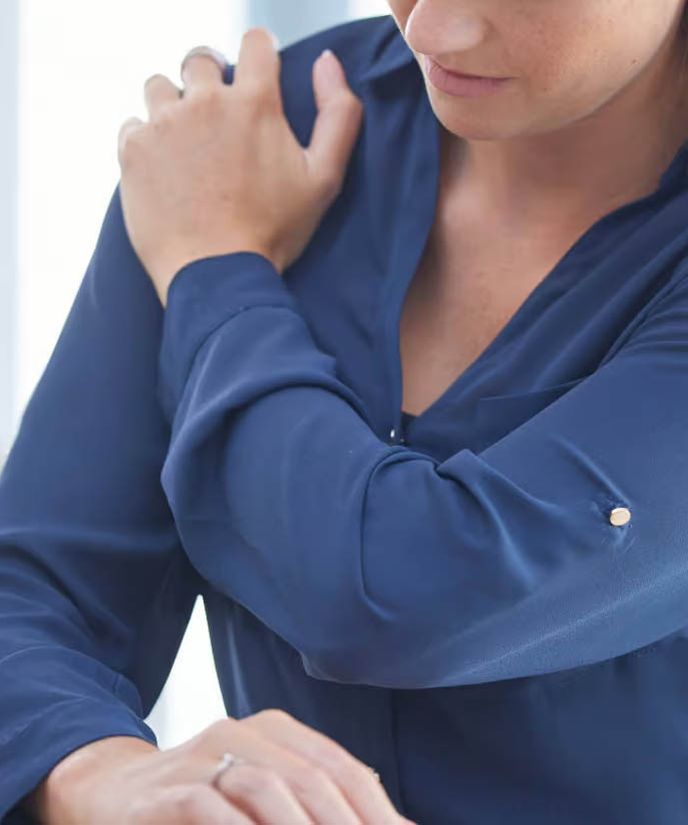
Labral Tears
Labral tears cause deep shoulder pain, clicking, catching or a sense of instability. The labrum is a ring of cartilage that deepens the shoulder socket, and it can tear with repetitive overhead activity, forceful pulling or a fall. Labral and rotator cuff injuries often occur together in active adults. We assess both through a hands-on exam, ultrasound and any MRI you bring, then use non-surgical regenerative treatments designed to support shoulder stability.

Shoulder Osteoarthritis (Early)
Shoulder osteoarthritis causes general aching, stiffness and grinding as joint cartilage gradually wears down. It often follows old rotator cuff or labral injuries that were never fully addressed. In its early stages, regenerative treatment may help reduce symptoms and support function. PRP is not effective for severe bone-on-bone arthritis, so an early assessment helps you understand which options are realistic for your shoulder.
Advanced Modalities We Use for Rotator Cuff Treatment in Oakville
Whether rotator cuff pain is keeping you from sport, the gym, your hobbies or a full day at work, our non-surgical sports medicine treatments are designed to support the tendon so you can keep doing what you enjoy.

Ultrasound
Dynamic ultrasound examines your rotator cuff tendons during movement, showing tears and impingement that a static scan may miss.

Shockwave Therapy
Shockwave therapy is used first to break down scar tissue and boost circulation in the rotator cuff, preparing the tendon for regenerative care.

Prolotherapy
Strengthens loose or weakened ligaments and the joint capsule around the rotator cuff, adding stability and preparing the shoulder for PRP.

Platelet-Rich Plasma (PRP)
Our platelet-rich plasma (PRP) delivers 15 to 18 billion platelets per treatment, 4x the volume and 12 to 15x concentration compared to a traditional PRP kit.
Meet Dr. Mark Hawass
As the founder of Peak Health VIP, Dr. Mark Hawass is a licensed physician with over 30 years of clinical experience, including chronic pain management and non-surgical care for shoulder injuries such as rotator cuff tears.
Trained in family and emergency medicine at Dalhousie University, he leads every assessment and treatment plan personally.

Ready to Take Control of Your Rotator Cuff Pain?
Let’s Find Out What’s Going On.
• Physician-led shoulder assessment with real-time ultrasound of your rotator cuff
• Leave with a clear diagnosis and a personalized rotator cuff tear treatment plan
Frequently Asked Questions: Rotator Cuff Treatment Oakville
Can a torn rotator cuff heal on its own?
Tendons have a limited blood supply, so full-thickness tears don’t close on their own and partial tears have limited capacity to improve. Symptoms may ease with rest, but the tear often remains or slowly grows. An ultrasound assessment shows its size and which options may help.
Can a rotator cuff tear be treated without surgery?
Many can. Rotator cuff tear treatment without surgery combining shockwave, prolotherapy and high-concentration PRP may help reduce pain and improve function, especially for tendonitis and partial tears. Suitability depends on the tear’s size and your shoulder’s condition, which we determine through in-person assessment.
What are the symptoms of a rotator cuff tear?
Common signs include pain at the outer shoulder, pain when reaching overhead or behind your back, night pain when lying on that side, and weakness lifting your arm. Some people notice clicking or catching. Symptoms can overlap with other conditions, so assessment matters.
How do I know I have a rotator cuff injury and not a tear?
Rotator cuff tendonitis and impingement usually cause pain with activity while strength stays mostly normal. A tear more often brings noticeable weakness, night pain and difficulty lifting the arm. Symptoms alone can’t confirm it, which is why we examine your rotator cuff with dynamic ultrasound. Our guide to rotator cuff tear vs tendonitis explains the differences in more detail.
What’s the difference between a partial and full-thickness tear?
A partial-thickness tear damages part of the tendon but leaves it attached. A full-thickness tear goes completely through the tendon, creating a hole or detachment. Partial tears are often suited to non-surgical care, while full-thickness tears need careful assessment to decide the best path.
Does PRP help rotator cuff tears?
PRP injections for rotator cuff tear may help reduce pain and support the tendon, particularly in tendonitis and partial tears. Our protocol delivers 15 to 18 billion platelets per treatment, guided by ultrasound. Some studies suggest platelet concentration may influence outcomes, though results vary.
Is shockwave therapy effective for rotator cuff injuries?
Shockwave therapy is used for chronic rotator cuff tendonitis and calcific tendinopathy to break down scar tissue and improve blood flow. At our clinic, it’s the first step that prepares the tendon for prolotherapy or PRP. It’s non-invasive, needs no downtime, and results vary.
Can I still work out with a rotator cuff injury?
Usually, yes, with adjustments. Avoiding painful overhead pressing and heavy lifting while keeping the rest of your training going is often reasonable. Your custom home exercise program, delivered through our app, guides which movements to modify and how to rebuild shoulder strength safely.
What happens if a rotator cuff tear is left untreated?
Some tears stay stable, but others gradually enlarge, increasing weakness and pain. Over time, an untreated tear can change shoulder mechanics and contribute to early shoulder osteoarthritis. Assessing the tear early may give you more non-surgical options and a clearer sense of what’s realistic.
What is the difference between shoulder impingement and a rotator cuff injury?
Shoulder impingement is a pinching of the rotator cuff tendon or bursa under the bony arch above it. A rotator cuff injury describes damage to the tendon itself, from tendonitis to a tear. Ongoing rotator cuff impingement can contribute to tendon damage over time.